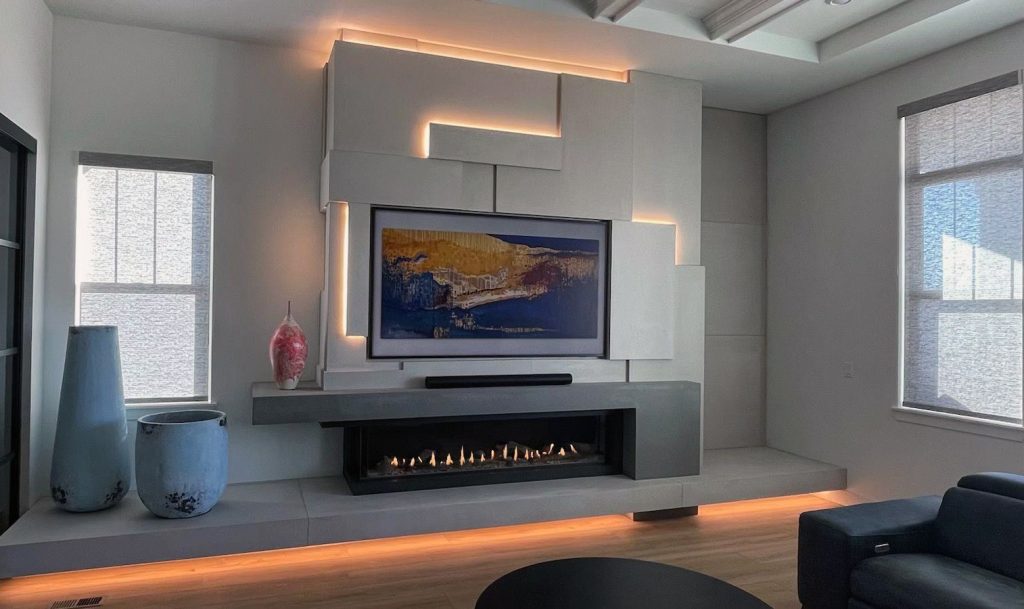
What Should You Know Before Buying a Luxury Linear Gas Fireplace?

Luxury linear gas fireplaces have become one of the most popular features in modern homes. You see them in living rooms, media walls, and open-concept spaces because they create a clean, contemporary look while still providing real heat.

But before buying one, there are a few important things homeowners should understand. A linear fireplace is not just a decorative upgrade — it’s a system that requires proper planning, installation, and design.
Luxury fireplace

What Is a Linear Gas Fireplace?

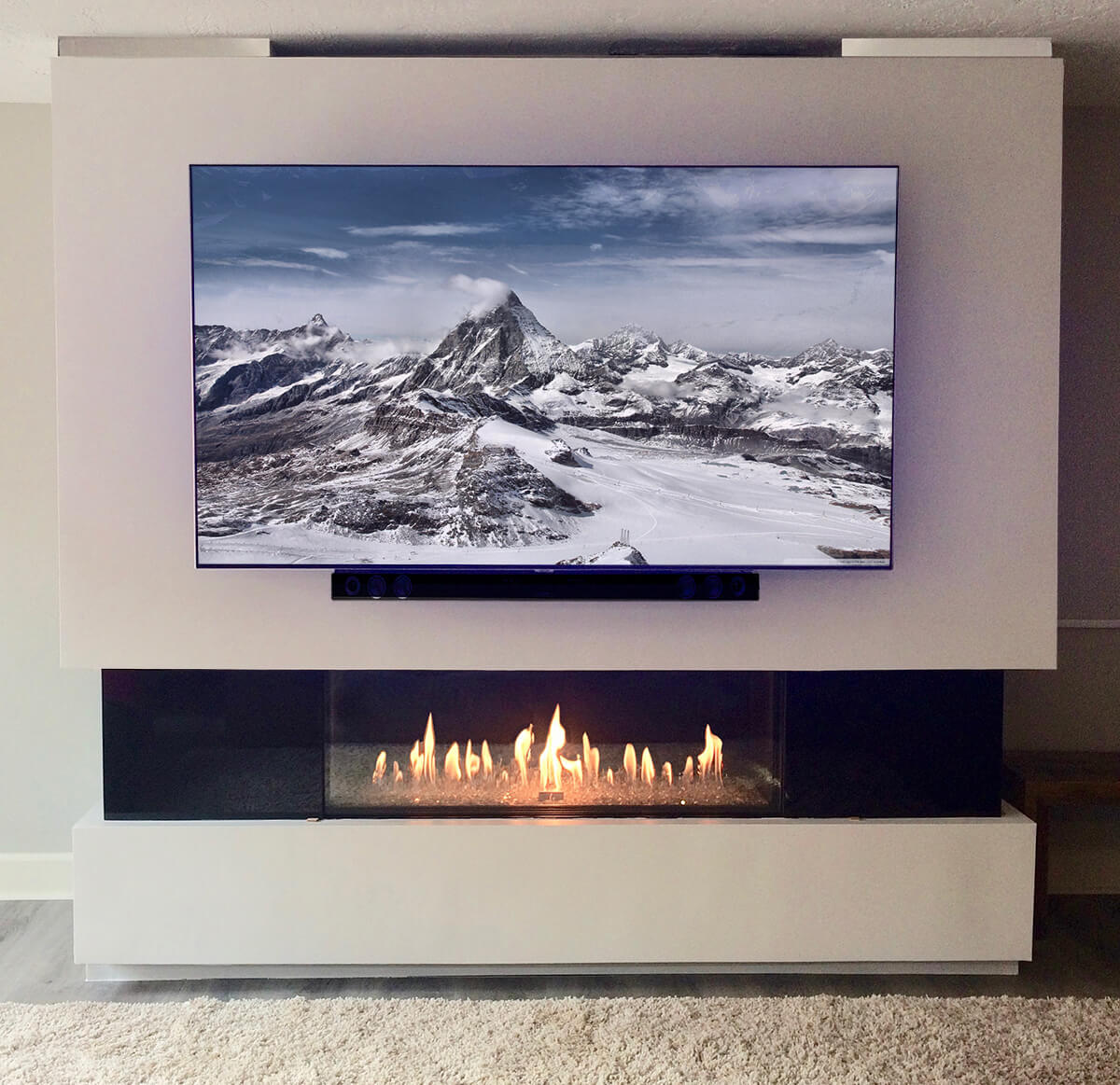
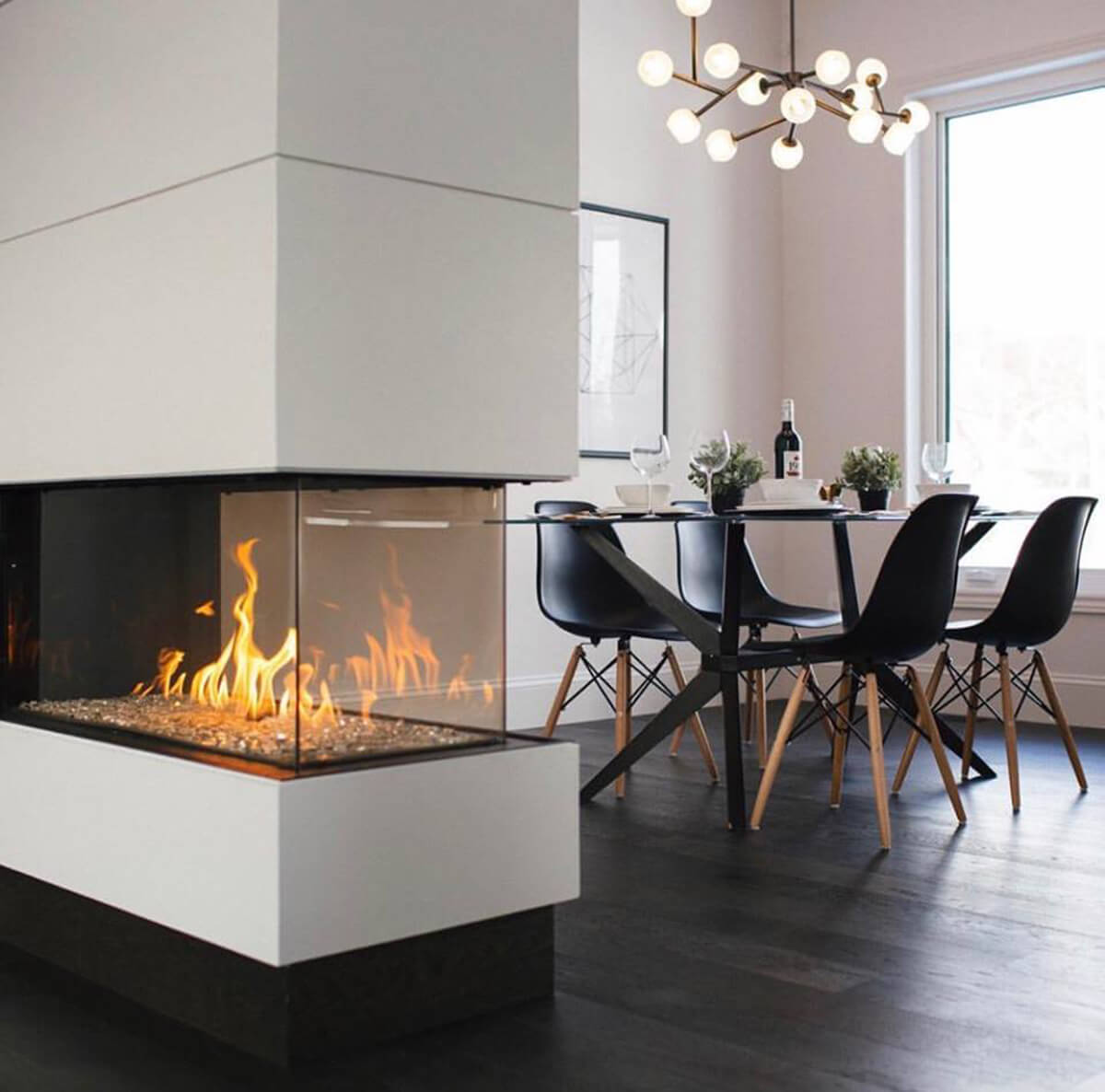
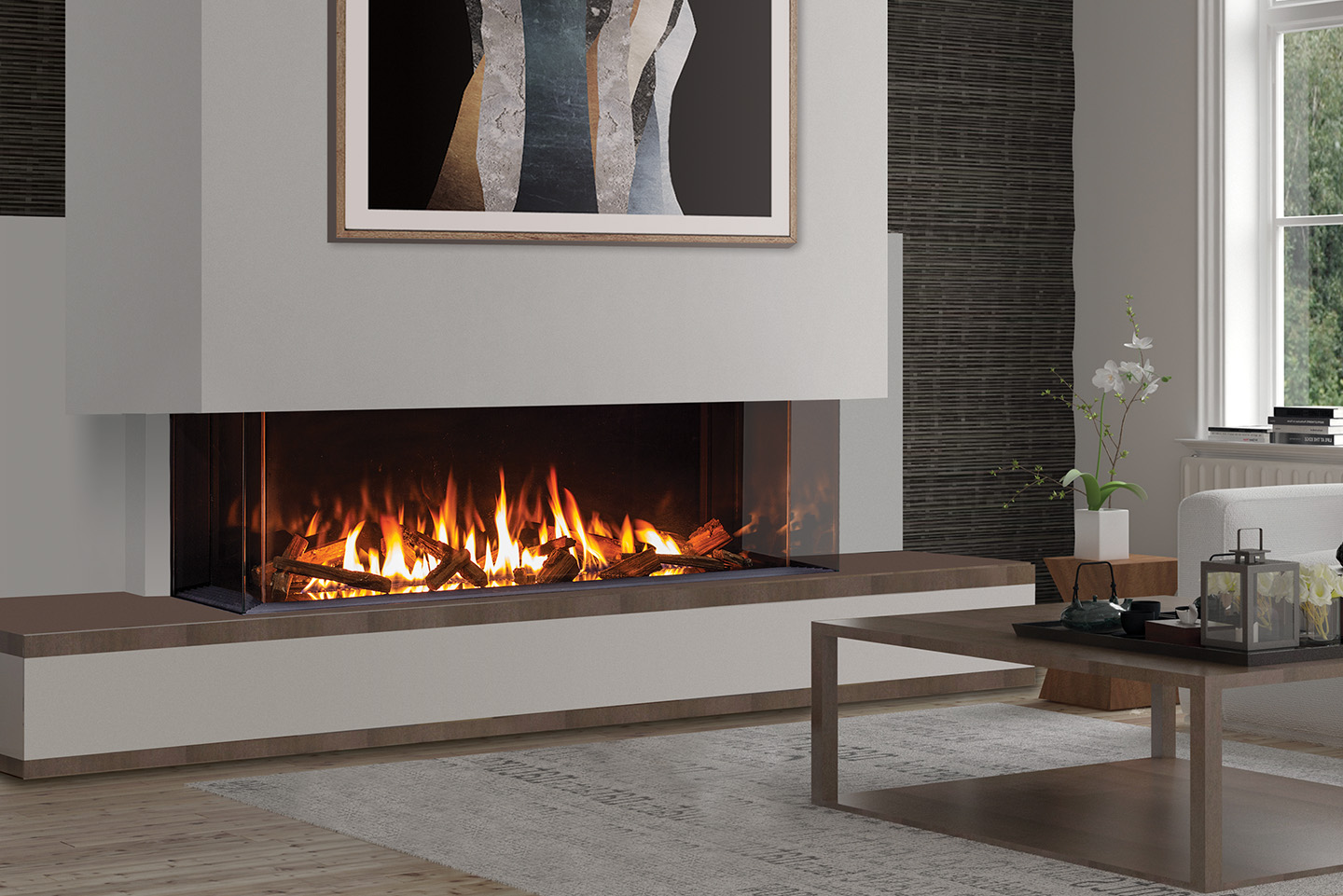
A linear gas fireplace is a long, horizontal fireplace that produces a wide flame pattern, often installed in modern feature walls.

Compared to traditional fireplaces, they are:

  • Wider and more modern in appearance
  • Designed to be a focal point
  • Commonly installed in media walls or custom fireplace walls
  • Available in many sizes (often 48” to 72” or larger)

Most luxury models are built-in direct vent fireplaces, meaning they are installed into the wall and vented outside.


1. Size and Proportion Matter More Than You Think

One of the biggest mistakes homeowners make is choosing the wrong size.

A linear fireplace should match:

  • the size of the wall
  • the height of the ceiling
  • the size of the room

Too small → looks underwhelming
Too large → overwhelms the space

This is especially important for fireplace wall with TV designs, where everything needs to be balanced visually.

2. Heat Output vs. Design

Luxury linear fireplaces are designed for both:

  • aesthetics
  • heating performance

Some models produce significant heat, while others are more decorative.

Before buying, ask:

    • Is this my primary heat source or supplemental?
    • Do I want high heat or controlled heat output?

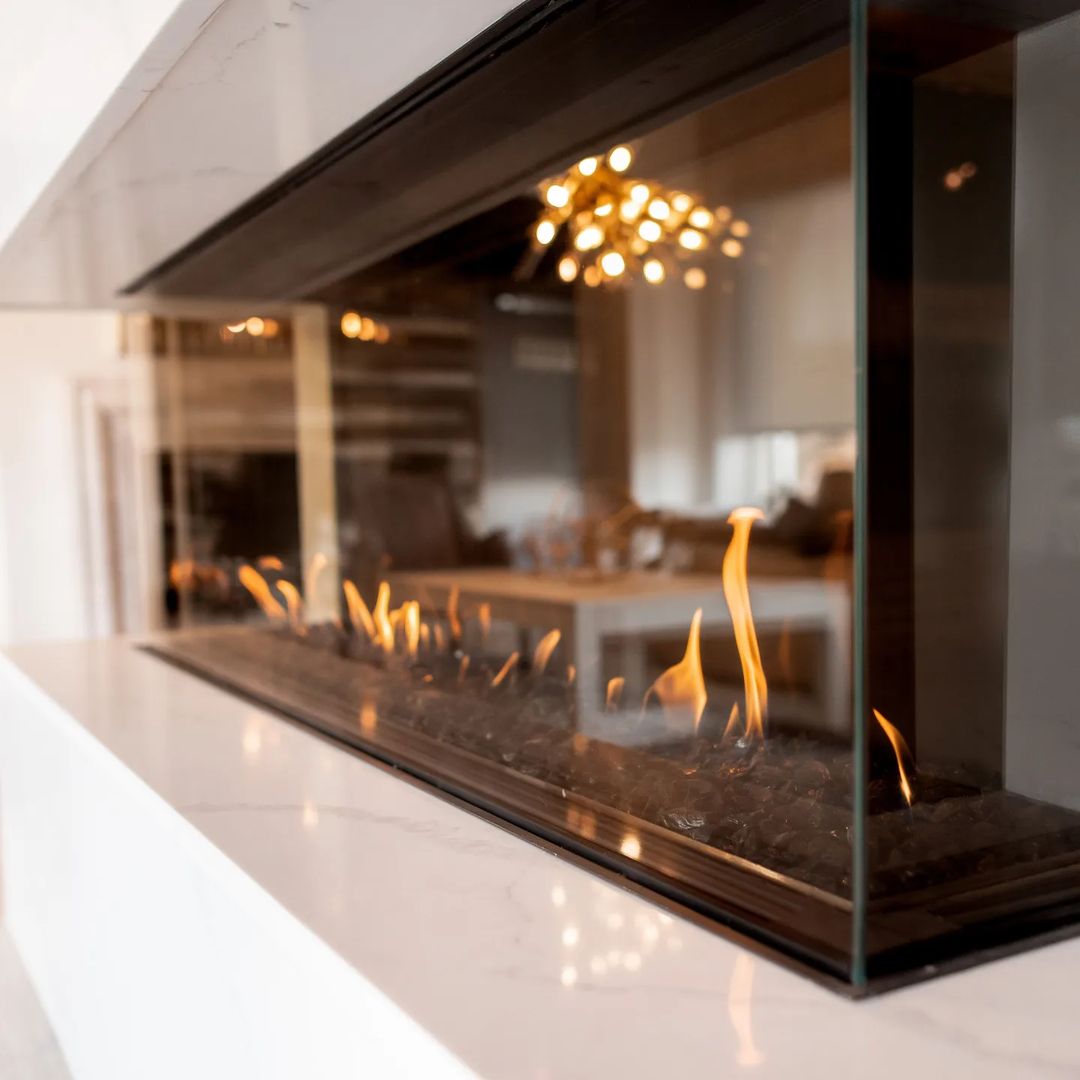
3. Understanding Double Glass (Modern Luxury Feature)

Many high-end linear fireplaces, especially modern brands like Flare, use a double glass system.

Here’s what that means in simple terms:

  • There are two layers of glass instead of one
  • A cooling air gap exists between them
  • Fans or natural airflow help keep the outer glass cooler

Why this matters:

✔ Allows for a very clean, frameless look
✔ No bulky safety screen required
✔ Perfect for modern, minimal fireplace wall designs

However, this system requires proper airflow:

  • Cool air is pulled in from the bottom of the fireplace
  • Warm air is released through openings at the top

These openings are often called louvers or heat release vents.
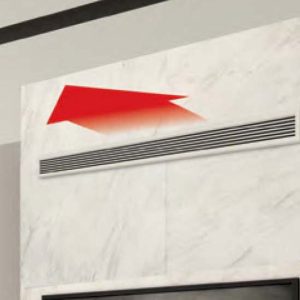
Fireplace vent system

Can the Louvers Be Hidden?

Yes — and this is where design flexibility comes in.

Options include:

  • Paintable or concealed louvers
  • Custom framing openings
  • Integrated wall designs

In higher-end systems, you can also use heat management kits:

Passive Heat Systems

  • Move heat away from the unit
  • Recirculate it back into the room
  • Allow more flexibility in finishing materials

Active Heat Systems

  • Use fans to push heat away
  • Can vent heat outside
  • Allow TVs or artwork to be installed closer to the fireplace

Summer Mode (Very Important Feature)

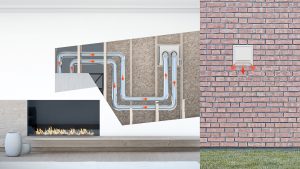
Some systems allow you to redirect heat outside completely.

This means:
✔ You can run the fireplace in summer
✔ Enjoy the flame without overheating the room

Heat can be ducted up to 80 feet to an exterior wall, making the fireplace usable year-round.
Important Trade-Off

Double glass fireplaces typically produce:

👉 Less radiant heat into the room

So if your main goal is heating performance, this type of fireplace may not be the best choice.

But if your goal is:
✔ clean modern design
✔ luxury appearance
✔ TV integration
✔ minimal visible framing

Then this is often the ideal solution.
4. Venting Requirements (Very Important)

Most linear gas fireplaces use a direct vent system, which:

  • vents exhaust gases outside
  • pulls fresh air from outside

The vent pipe is typically:

  • double-wall construction
  • around 6”–8” outer diameter

This allows installation without a traditional chimney.

5. Wall Construction and Framing

A linear fireplace becomes part of your wall.

You need to plan:

    • framing dimensions
    • clearances
    • finishing materials
    • service access

6. TV Placement Above the Fireplace

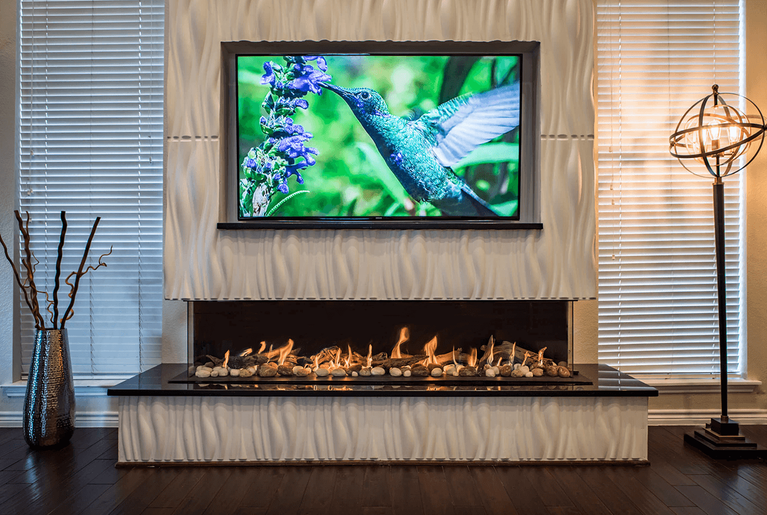
Many homeowners want a fireplace wall with TV.

This works very well with linear fireplaces — especially modern systems with heat management — but must be planned correctly.

7. Interior Design Options

Luxury fireplaces offer:

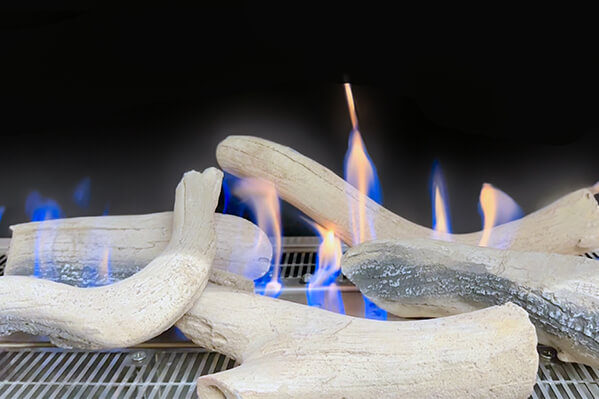
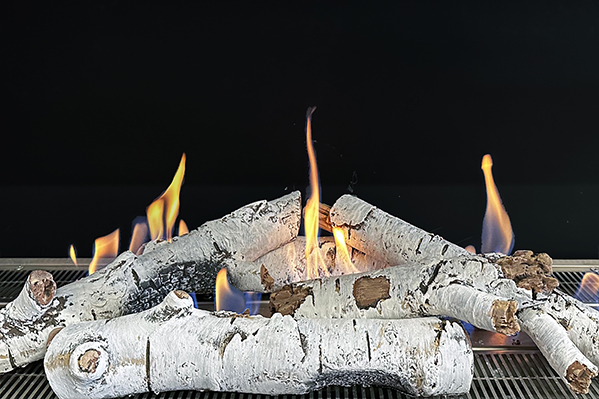
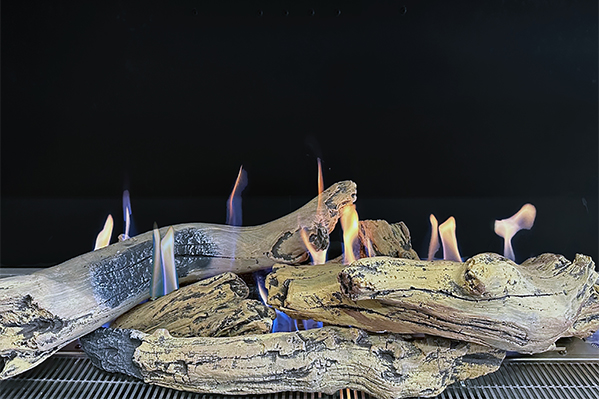
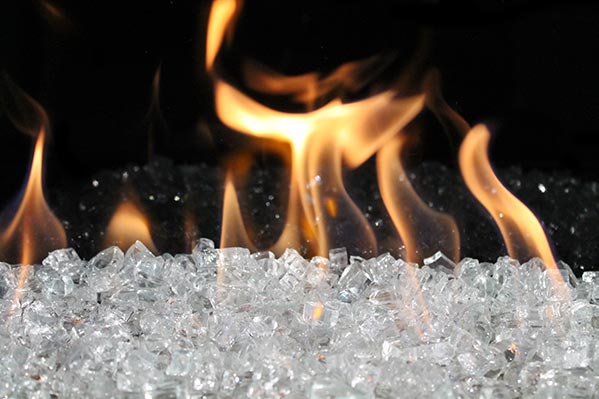
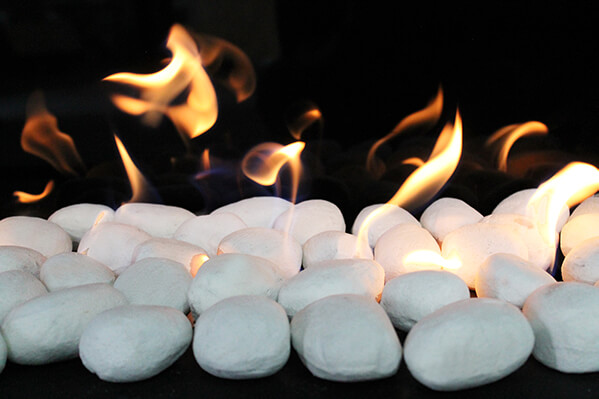
  • driftwood logs
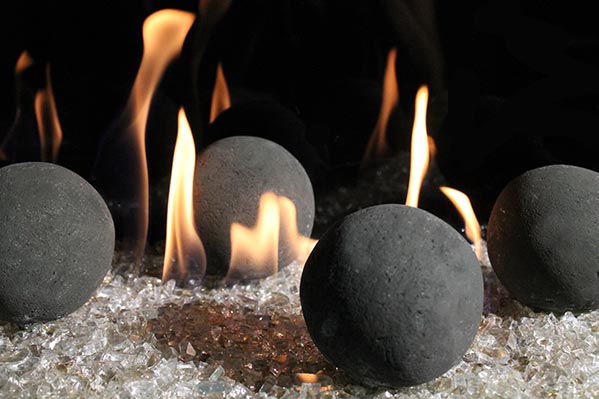
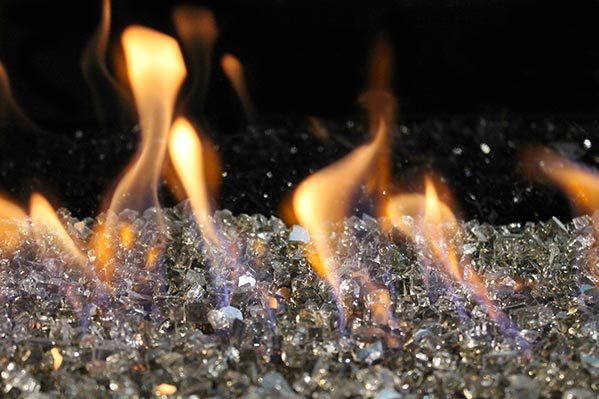
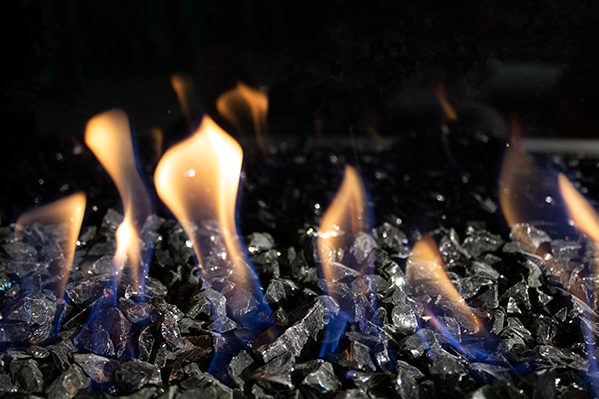
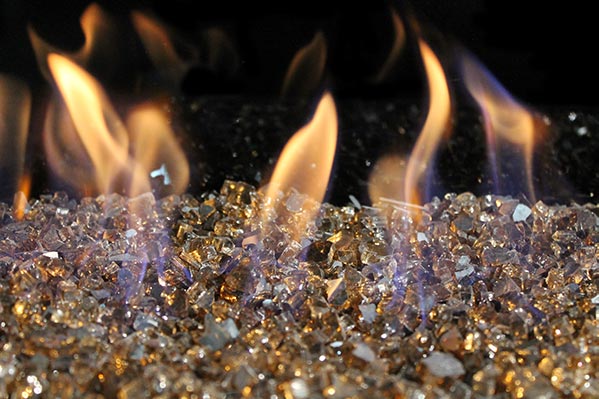
  • glass media
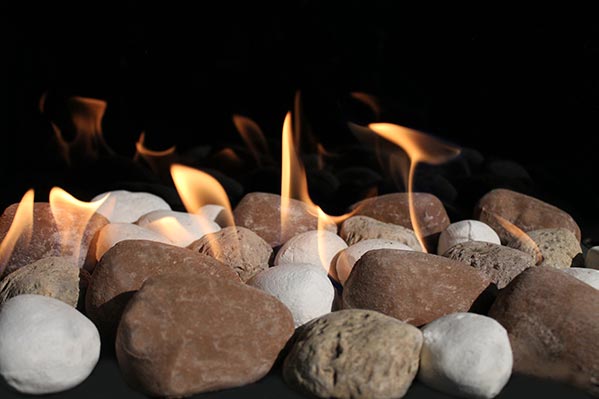
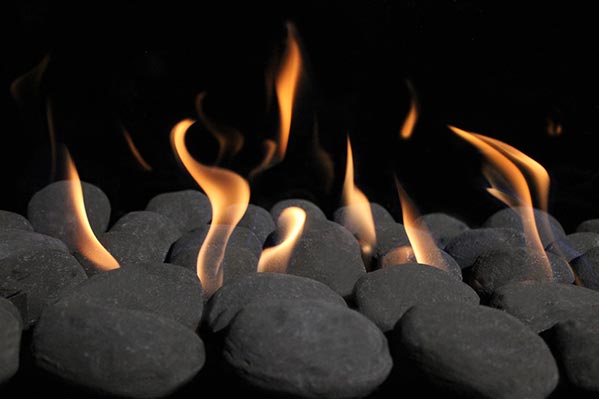
  • stone media
  • enamel panels
  • LED lighting

These details create a true designer fireplace look.

8. Brand Matters

Higher-end brands offer:

  • better flame realism
  • more control
  • better build quality
  • stronger warranty support

This is critical when investing in a high end gas fireplace.

9. Installation Quality Is Critical

Even the best fireplace will fail if installed incorrectly.

Proper installation ensures:

  • correct venting
  • safe operation
  • long-term reliability

10. Plan the Entire Fireplace Wall

Think about:

  • TV placement
  • cabinetry
  • materials
  • lighting

A linear fireplace is part of a custom fireplace wall, not just a unit.

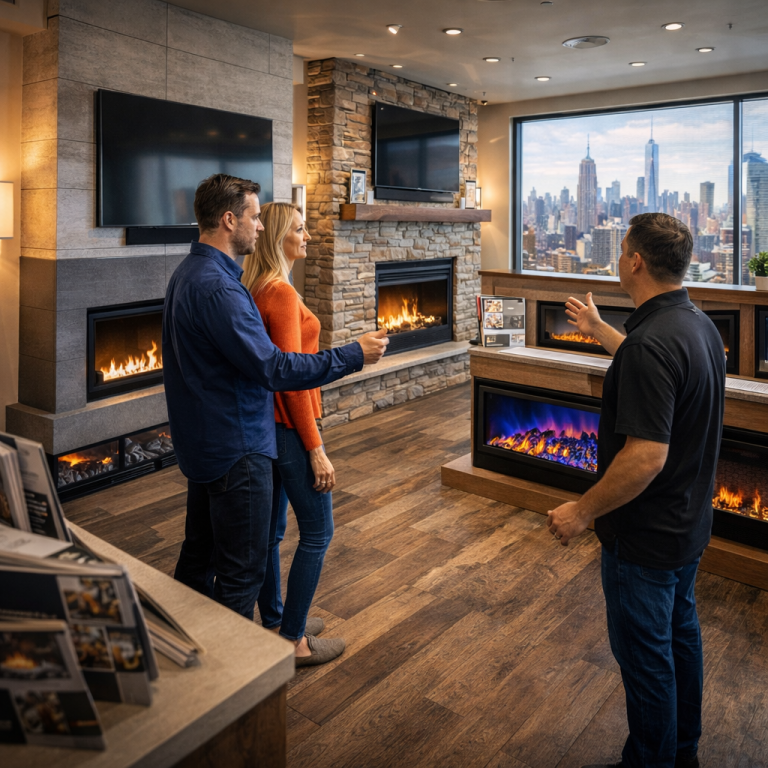
11. Seeing It in Person Makes the Biggest Difference

Photos don’t show:

  • flame quality
  • real size
  • heat output

Visiting a showroom helps you:

  • compare models
  • understand options
  • avoid mistakes

Final Thoughts

Buying a luxury linear gas fireplace is about more than choosing a model — it’s about understanding how the system works, how it fits your space, and how it will be installed.

Modern features like double glass and heat management systems allow for incredibly clean designs and flexible installations, but they also come with trade-offs in heat output.

Seeing these systems in person and working with experienced professionals will help you make the right choice for your home.

Luxury Gas Fireplace with TV above it

Is It Safe to Put a TV Above a Gas Fireplace?

One of the most common questions homeowners ask when designing a new fireplace wall is:

Is it safe to put a TV above a gas fireplace?

The short answer is yes, it can be safe — but only when the fireplace, wall design, and installation are planned correctly. Not every gas fireplace is suitable for a TV above it, and poor planning can lead to overheating, uncomfortable viewing angles, or long-term damage to your television.

Below is what homeowners in Long Island and NYC should know before combining a fireplace and TV into one feature wall.

Read More
Why Visit a Fireplace Showroom Before Buying a Gas or Electric Fireplace?

Why Visit a Fireplace Showroom Before Buying a Gas or Electric Fireplace?

Buying a fireplace is not like ordering furniture or décor online. A fireplace becomes a permanent feature in your home – part heating system, part architectural focal point. That’s why many homeowners across Long Island and New York City choose to visit a fireplace showroom before making a final decision. Photos and videos can be helpful during research, but they rarely show what truly matters once the fireplace is installed: flame realism, scale, heat output, and how it actually looks in a real living space.

In person, you can compare gas and electric fireplaces side by side, understand sizing and proportions, and get professional guidance before committing to a purchase. A short showroom visit can prevent costly installation surprises and design mistakes later. In this guide, we explain why seeing fireplaces live makes the buying process easier, clearer, and far more confident from the very beginning.

Read More