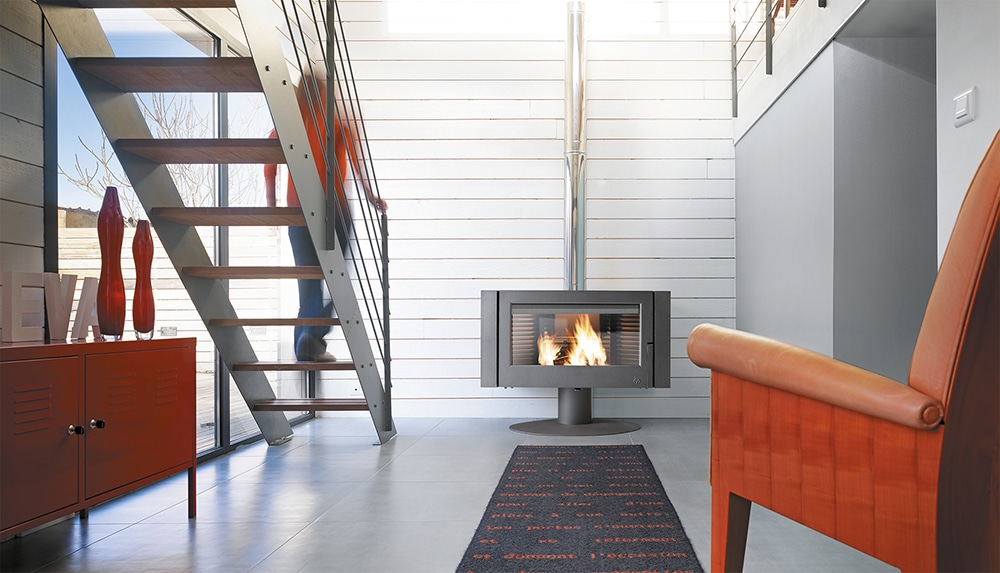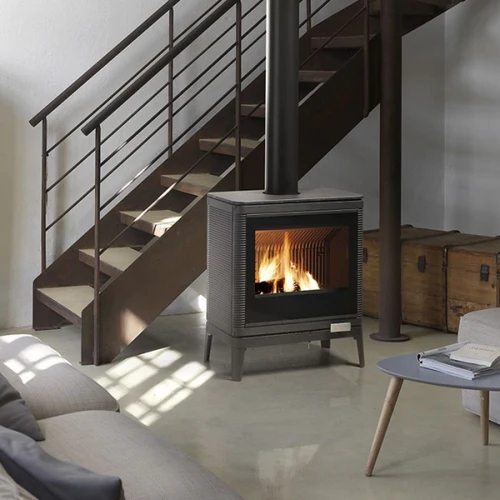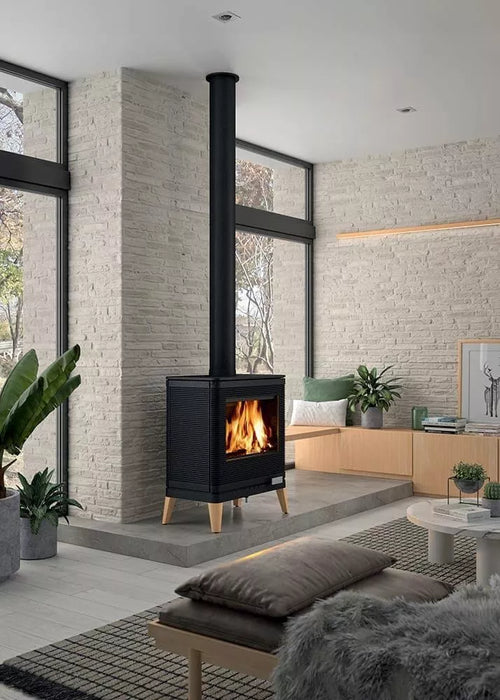
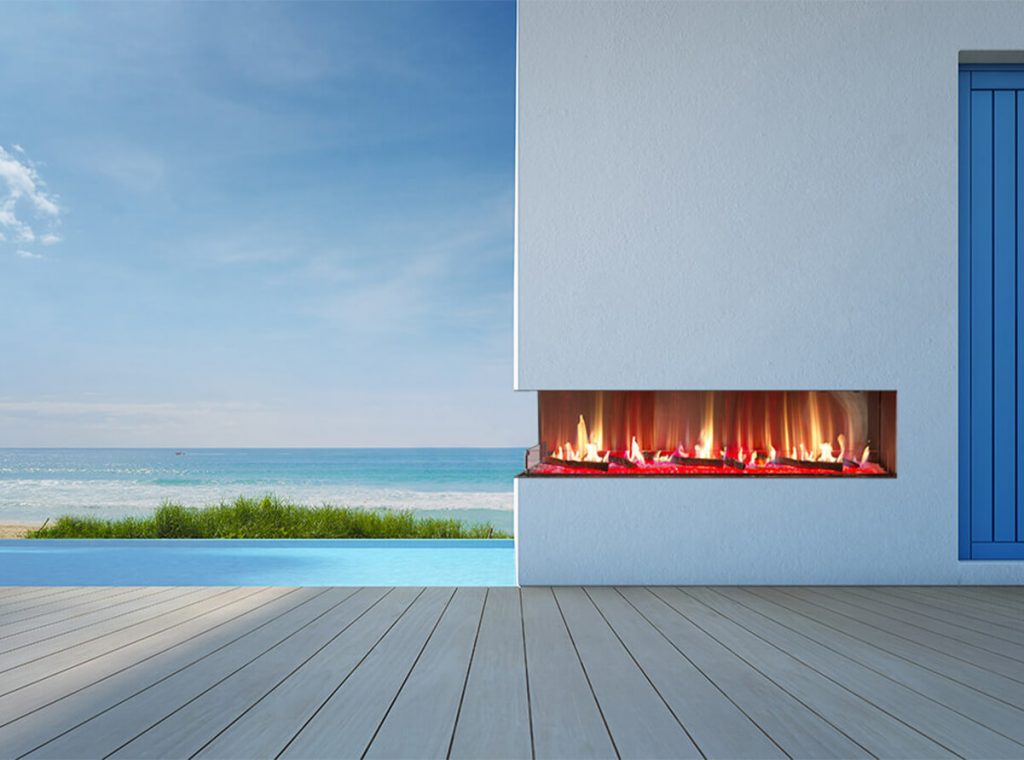
Gas Fireplaces: The Most Popular Choice Today
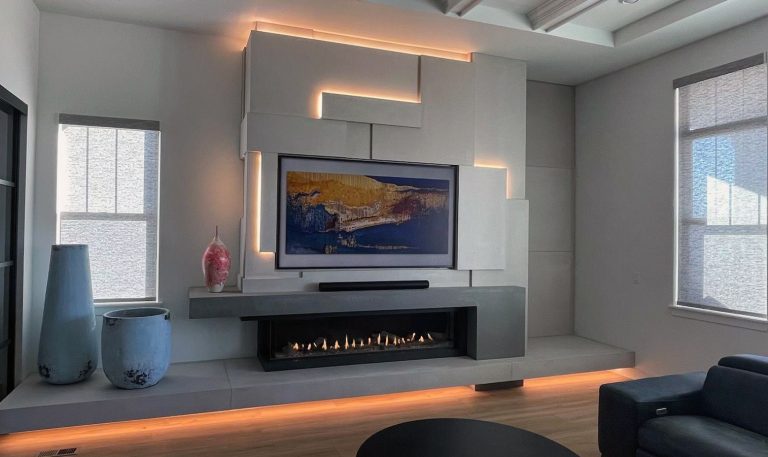
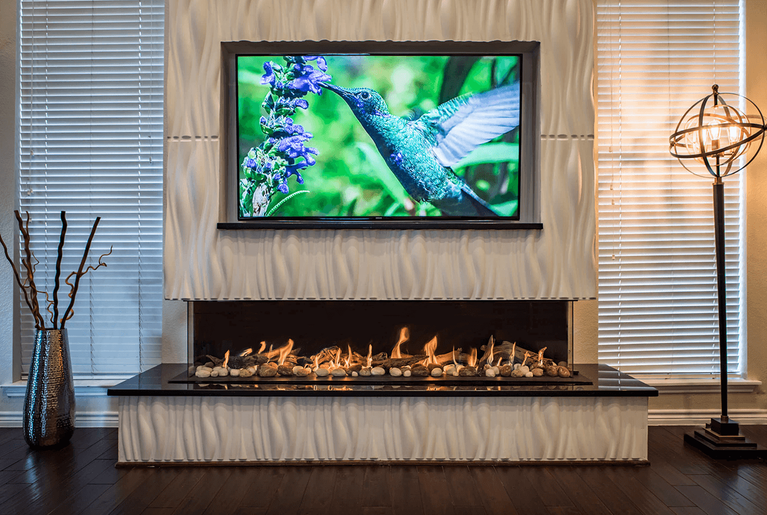
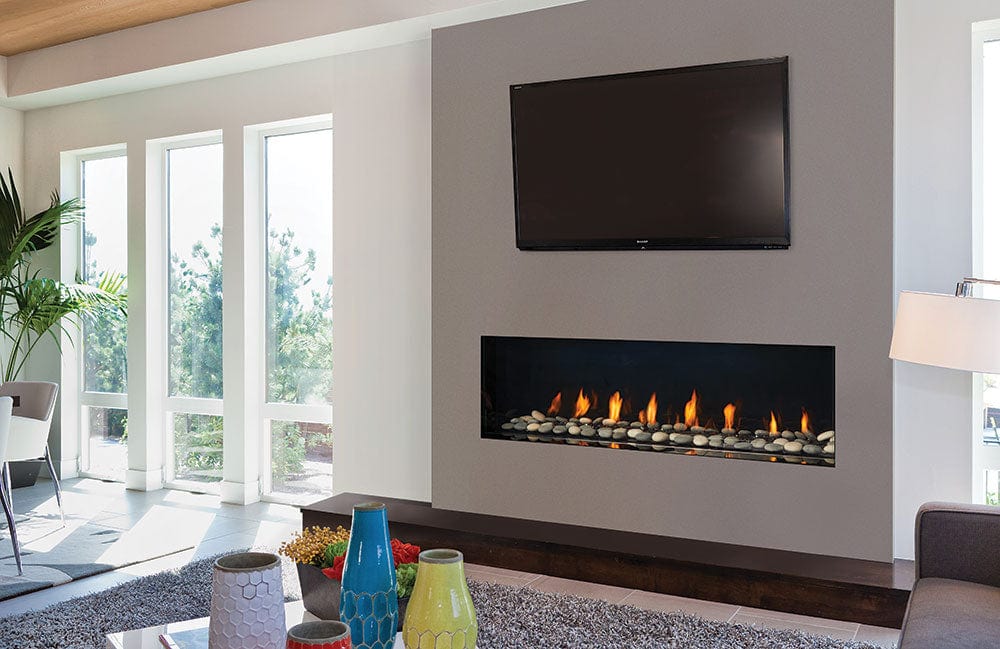
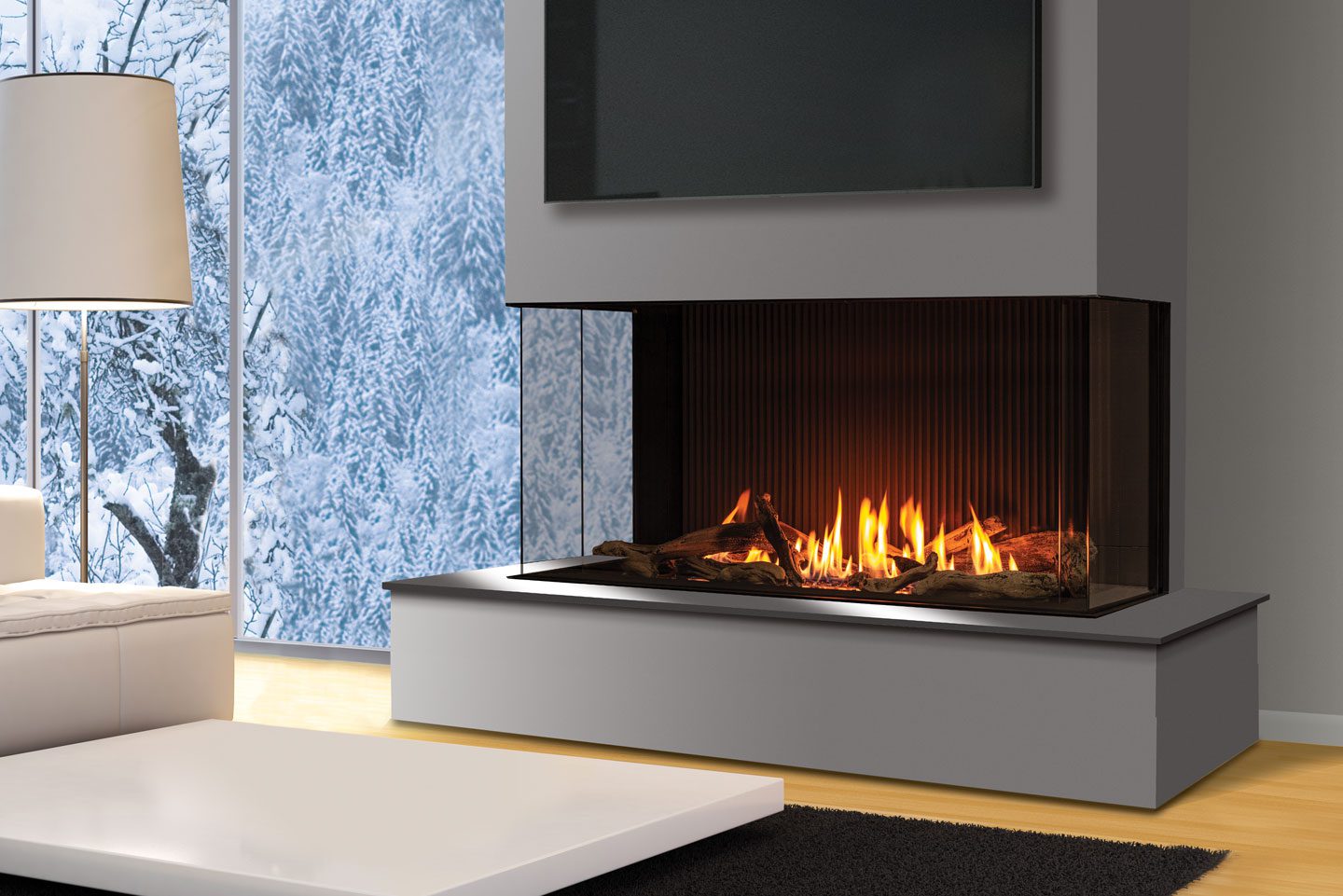
Gas fireplaces have become the most common choice for homeowners in Long Island and NYC because they balance realism, convenience, and heating performance.
Pros of Gas Fireplaces
- Real flame appearance
- Strong heat output
- Easy operation with remote or wall switch
- No wood storage or ash cleanup
- Works well as a supplemental heat source
- Wide range of modern and traditional designs
Considerations
- Requires gas line access
- Professional installation required
- Higher upfront cost than electric fireplaces
Gas fireplaces are ideal for homeowners who want the look and feel of a real fire without the maintenance of wood burning.
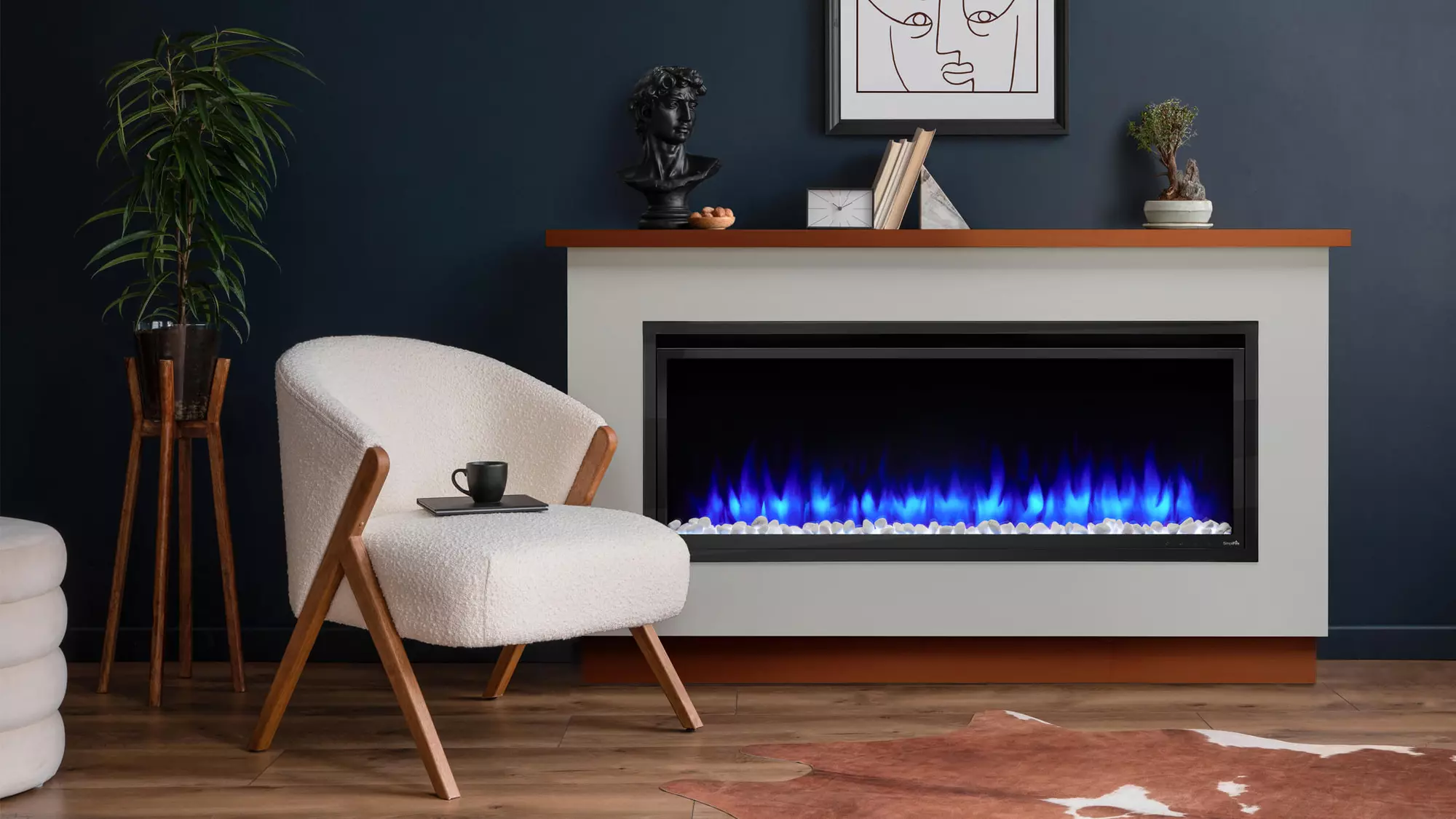
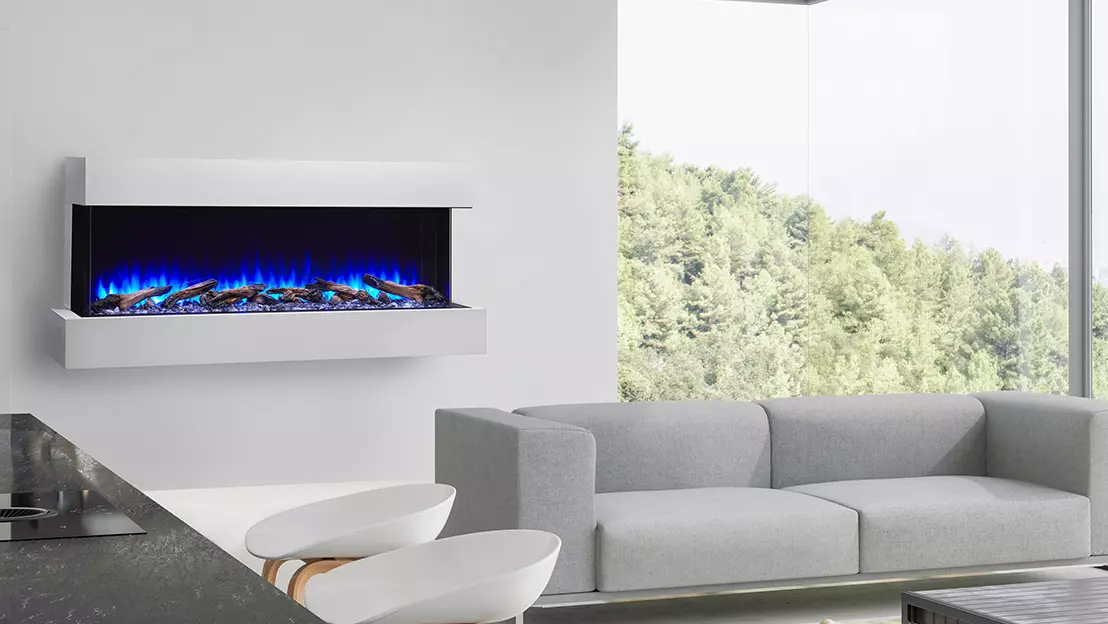
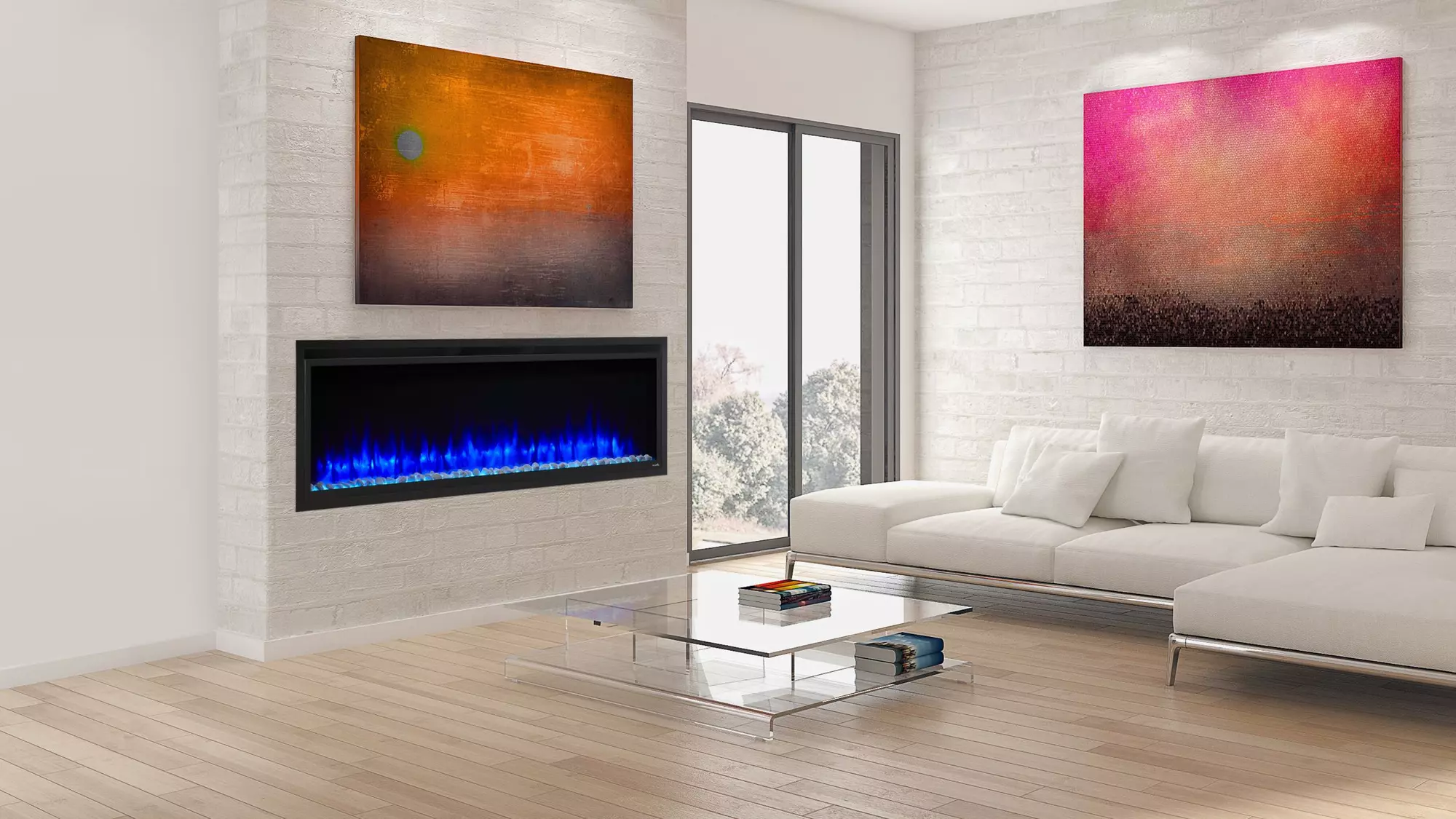
Electric Fireplaces: Flexible and Easy to Install
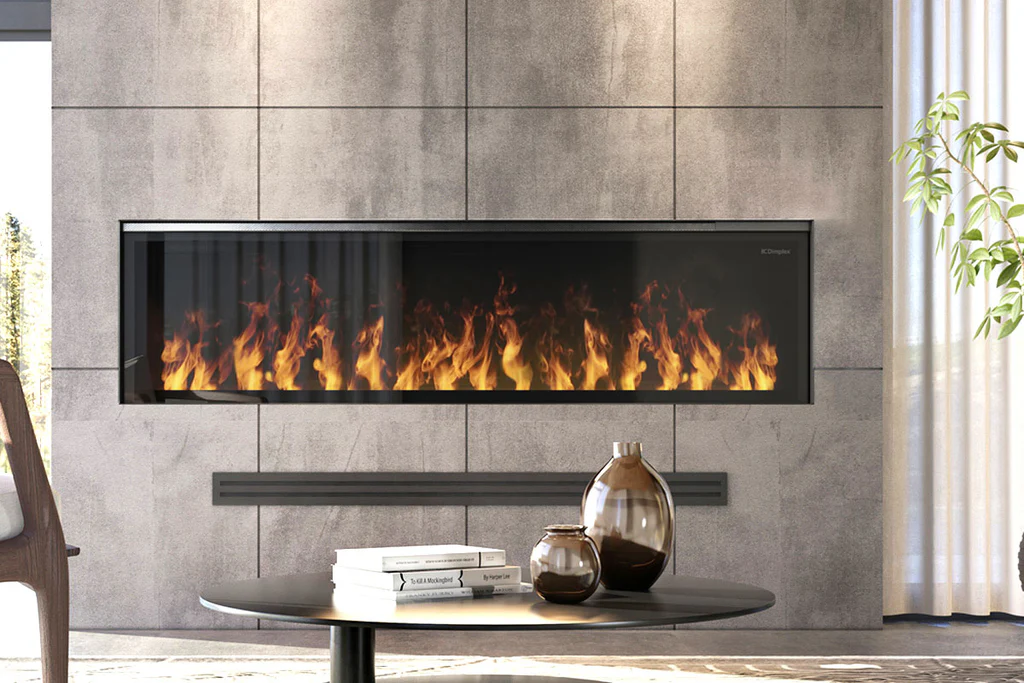
Electric fireplaces have improved significantly in recent years and are often chosen for apartments, condos, or rooms where venting is not possible.
Pros of Electric Fireplaces
- No venting or gas line required
- Lower installation cost
- Can be installed almost anywhere
- Safe and cool to the touch
- Flame effect can operate without heat
Considerations
- Flame appearance is simulated
- Limited heating capability compared to gas or wood
- Less realistic experience for some homeowners
Electric fireplaces work well for decorative applications or secondary rooms where ease of installation is the priority.
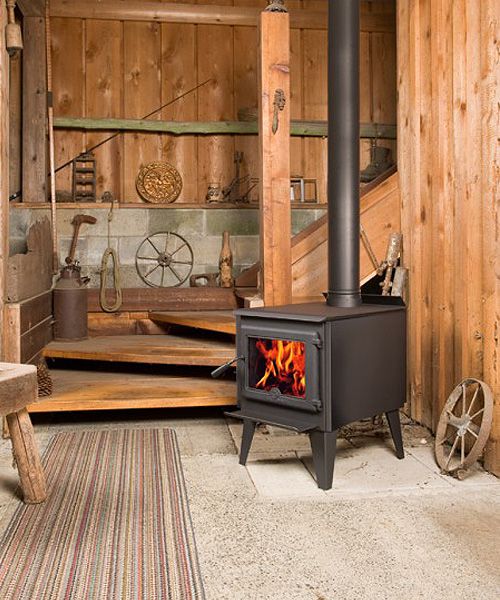
Wood-Burning Fireplaces: Traditional Experience
Wood-burning fireplaces offer the traditional crackling fire experience that many homeowners still love.
Pros of Wood Fireplaces
- Authentic flame, sound, and aroma
- Strong radiant heat
- Classic aesthetic appeal
- No reliance on gas or electricity
Considerations
- Requires chimney and regular maintenance
- Wood storage and cleanup required
- Lower efficiency compared to gas
- Not always practical in urban areas
Wood fireplaces are often preferred by homeowners looking for a traditional or rustic atmosphere.
Heat Output Comparison
When heating performance is important:
Gas fireplaces
provide consistent, controllable heat and are often used for zone heating.
Wood fireplaces
produce strong heat but are less controllable.
Electric fireplaces
provide supplemental warmth but typically do not heat large spaces.
For most Long Island homes, gas fireplaces offer the best balance between comfort and efficiency.
Installation and Flexibility
Installation requirements differ significantly:
- Electric fireplaces are easiest to install.
- Gas fireplaces require venting and professional installation.
- Wood fireplaces require chimney systems and more structural planning.
This is why many homeowners choose gas fireplaces during renovations or new construction projects.
Maintenance and Convenience
If convenience matters:
- Electric fireplaces require almost no maintenance.
- Gas fireplaces require annual inspection and cleaning.
- Wood fireplaces require regular chimney cleaning and ash removal.
Your tolerance for maintenance is often a deciding factor.
Which Fireplace Is Best for Your Home?
The best choice depends on what matters most to you:
- Choose gas if you want realistic flames, strong heat, and convenience.
- Choose electric if installation flexibility and simplicity are most important.
- Choose wood if you want a traditional fire experience and do not mind maintenance.
Many homeowners are surprised to learn that seeing fireplaces in person makes the decision much easier, since flame appearance and heat output vary significantly between models.
Final Thoughts
There is no single “best” fireplace for every home. The right choice depends on your space, lifestyle, and how you plan to use the fireplace. Comparing different types side by side helps homeowners understand the differences in flame quality, heat output, and design before making a final decision.